



Sheep Return to Saskatoon Natural Grasslands as Meewasin Restores Natural Prairie Processes
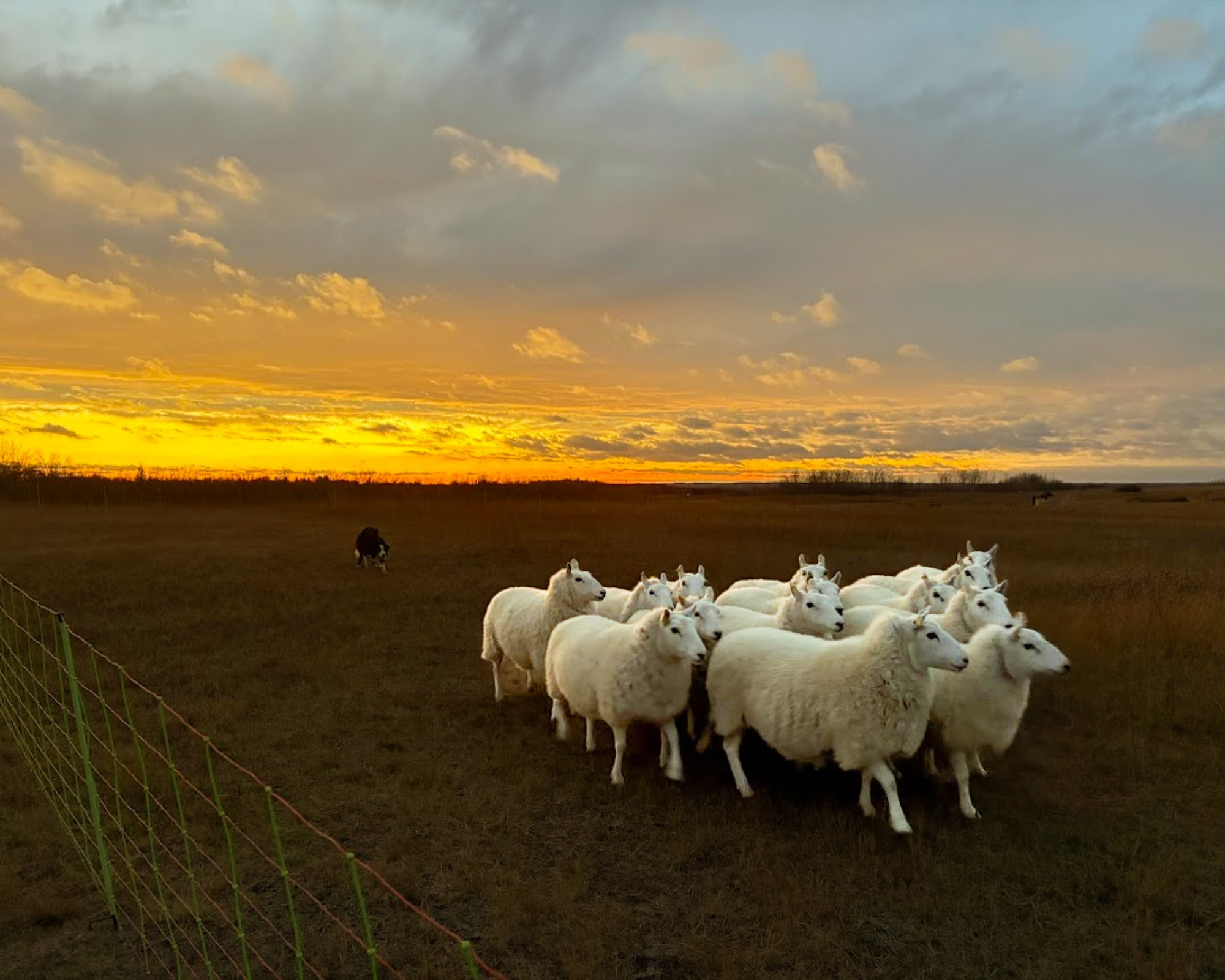
Saskatoon – July 2026 – Beginning July 9, approximately 145 sheep will return to Saskatoon Natural Grasslands as Meewasin launches another season of targeted conservation grazing. This is an important step in restoring the ecological processes that sustain healthy prairie ecosystems.
Working alongside professional shepherd Jared Epp and his trained Border Collies, the sheep will graze the native prairie from July 9–14, helping reduce invasive vegetation, improve habitat for native plants and wildlife, and restore one of Saskatchewan's most endangered ecosystems.
The project represents another milestone in Meewasin's long-term restoration of native prairie. In October 2025, Meewasin completed the site's first prescribed fire in more than 20 years. This summer, conservation grazing continues that work by reintroducing the second natural process that prairie ecosystems evolved with—grazing.
For thousands of years, fire and grazing worked together to shape Saskatchewan's grasslands. These natural processes created the diverse mosaic of grasses, wildflowers, shrubs, and wildlife that define healthy prairie ecosystems. Reintroducing both fire and grazing helps restore ecological function, increase biodiversity, and build more resilient landscapes.
"Healthy prairie ecosystems evolved with fire and grazing working together," said Renny Grilz, Director of Conservation with Meewasin. "For decades, these natural processes have been largely absent from our urban prairie landscapes. By bringing them back together, we're restoring the ecological processes that native prairie depends on while creating healthier habitat for birds, pollinators, wildlife, and native plants."
Unlike conventional vegetation management, targeted conservation grazing works with nature rather than against it. Sheep are particularly well suited to prairie restoration because they consume a broad mix of grasses, invasive grasses, broadleaf plants, and shrubs. Their diverse diet helps manage invasive vegetation while creating opportunities for native prairie species to recover and thrive.
Throughout the week, the flock will be carefully managed using planned grazing techniques that protect both the prairie ecosystem and the animals. Visitors to the site will also have the opportunity to observe professional shepherd Jared Epp and his working Border Collies as they manage the flock across the landscape.
Community Invited to Learn More
Meewasin is inviting the public to experience prairie restoration firsthand through Flames, Flocks & Prairie Talks, a series of public programs taking place during the grazing period.
These guided events will explore:
- Why fire and grazing are essential to healthy prairie ecosystems.
- How conservation grazing restores native prairie.
- The ecological role of sheep in prairie restoration.
- Meewasin's long-term vision for conserving Saskatoon's native grasslands.
Visit meewasin.com/free-events to learn more and register.
Connecting People with Nature
This conservation grazing project is made possible through funding provided by the Park People Nature Connect Fund, which supports community-based projects across Canada that connect people with nature while advancing innovative urban conservation.
"The Nature Connect Fund has allowed us to combine ecological restoration with public education," said Grilz. "Projects like this not only improve prairie health but also give people the opportunity to experience conservation in action and better understand the natural processes that have sustained these landscapes for thousands of years."
Visitors are welcome to observe the grazing project from outside the temporary fencing. Meewasin reminds visitors to remain outside fenced grazing areas, keep dogs on leash and on the crusher dust trails well away from the sheep and the working Border Collies, and follow all posted signage while visiting the site.
Conservation grazing is one of several restoration tools Meewasin uses alongside prescribed fire, invasive species management, native seed restoration, and ecological monitoring to restore ecological function within Saskatoon Natural Grasslands. Together, these approaches are helping create healthier, more diverse, and more resilient prairie ecosystems for future generations.
About Meewasin Valley Authority
The Meewasin Valley Authority exists to ensure a healthy and vibrant river valley, with a balance between human use and conservation by:
- Providing leadership in the management of its resources
- Promoting understanding, conservation and beneficial use of the Valley; and
- Undertaking programs and projects in river valley development and conservation, for the benefit of present and future generations.
There are 67 square kilometers of land and 108km of established trail, which has seen up to 2.365 million trail visits per year, in the Meewasin Valley. The area also features sites that help people to connect to nature through experiences such as Beaver Creek Conservation Area, the Meewasin Northeast Swale, Saskatoon Natural Grasslands, the River Landing Spray Area, and the Cameco Meewasin Skating Rink @Nutrien Plaza. Meewasin is a non-profit organization that relies on donations and volunteers for sustainability. To get involved or learn more visit www.meewasin.com.